🙋🏻 Aroni is this one’s name
You probably found this website from that weird looking guy on the meishi. I’m Aroni. This is my website. Keep that card cause this page will change every now and again when I get around to updating it. If your detective hat is on, you will have realised that I make websites. I love making websites, but it’s not my job. This is possibly one of my most neglected websites, but I have a bit of free time now. I will update it, I promise!
ദ്ദി ˉ͈̀꒳ˉ͈́ )✧
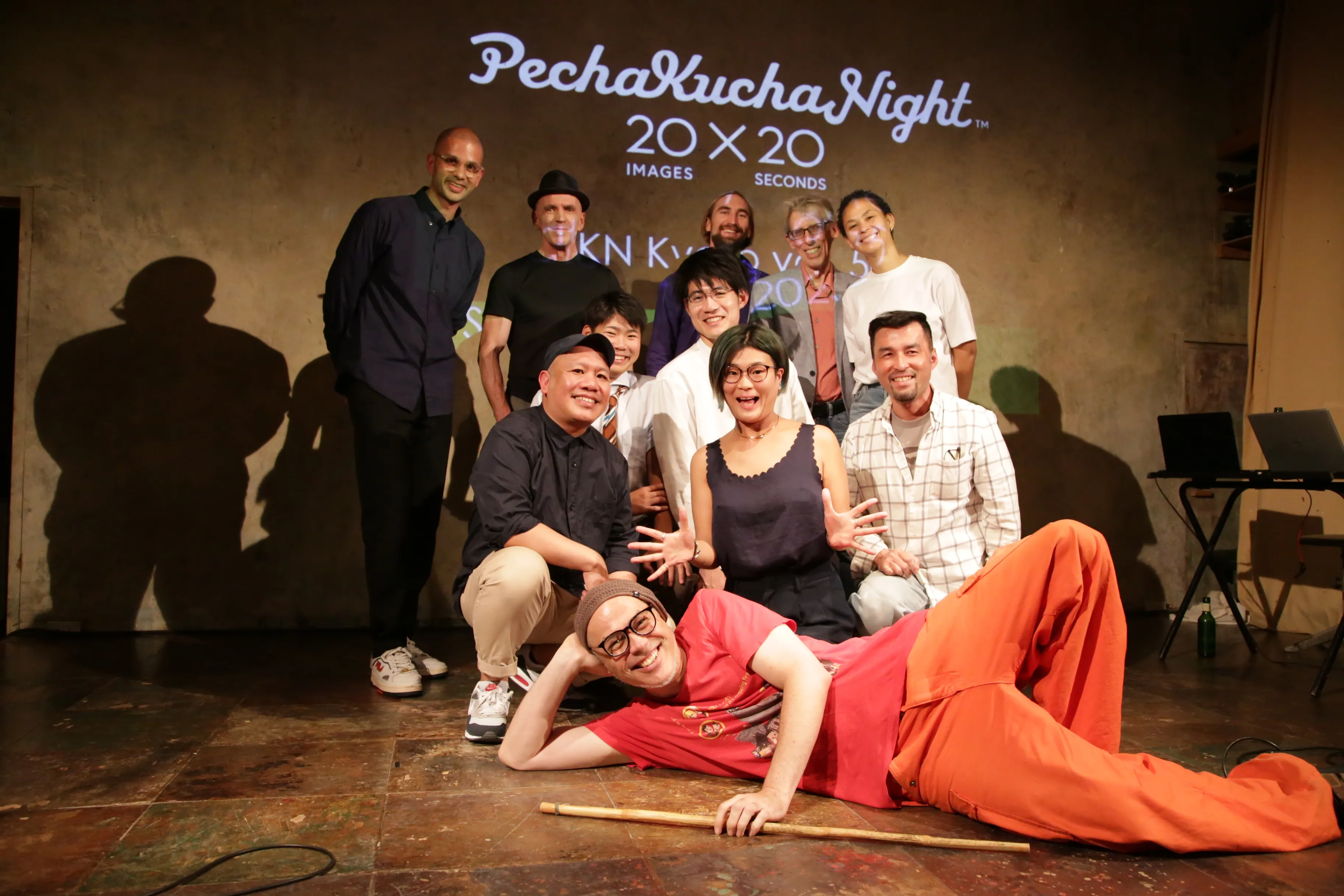
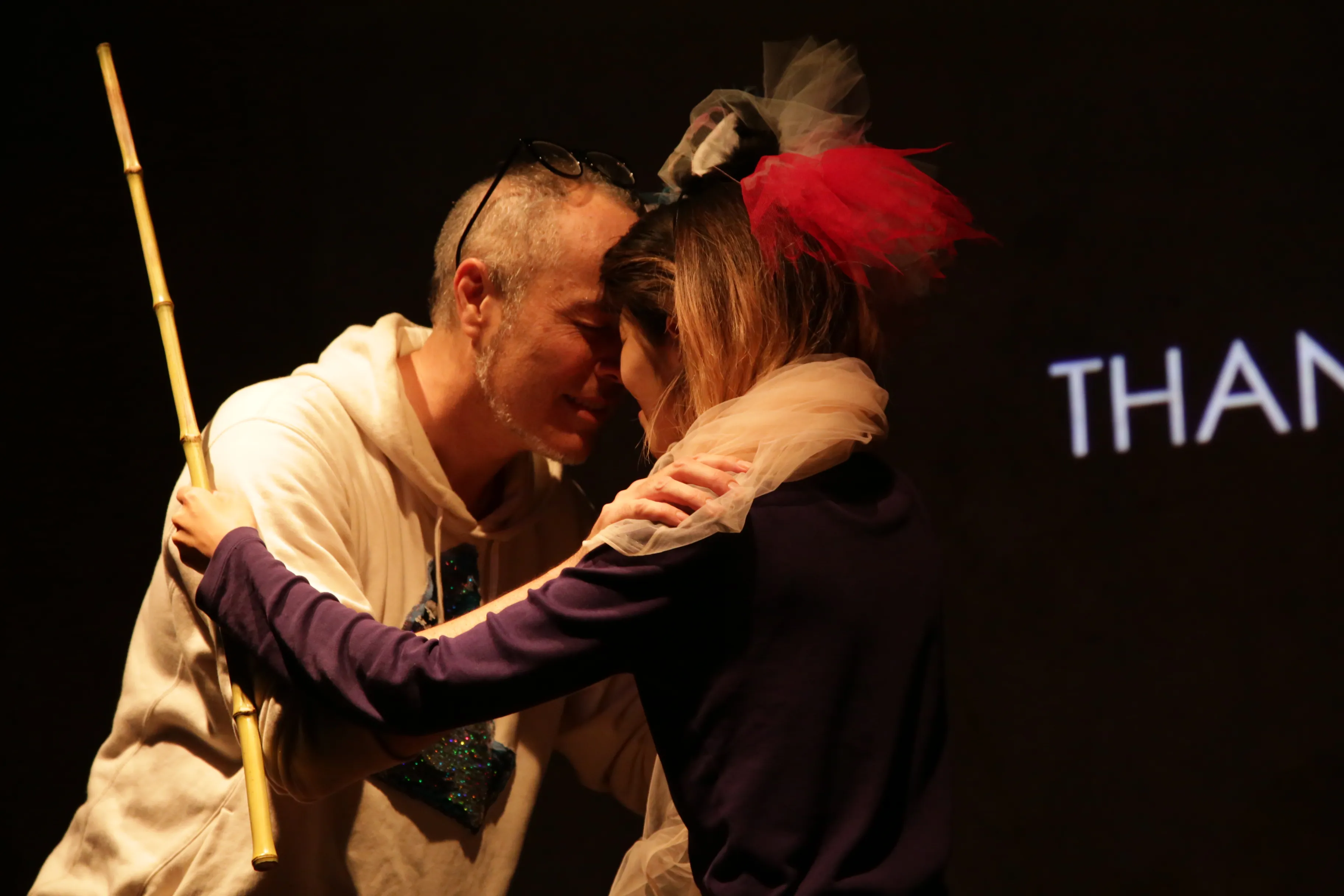
This was originally to get people to come to my Pechakucha talk. I did that and you probably missed it. But I’ll do some other performances so you might get the chance to see. What I wanted to get across is that my ancestry runs deeper than the colour of my skin - so I’m gonna start with that guy on that card with the QR code.
🧝🏽♀️ Rua Kēnana Hepetipa - Our Tipuna, Our Prophet
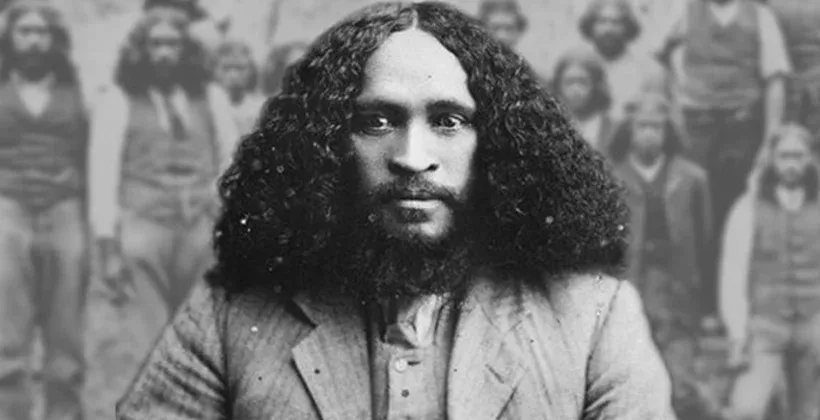
Rua Kēnana Hepetipa was a Tūhoe prophet, leader, and visionary — and for us, as his descendants, he is much more than a name in the history books. He is a symbol of resistance, of renewal, and of deep wairua. His legacy runs through our blood, and his stand still echoes in the whenua of Te Urewera.
Rua was born around 1869 at Maungapōhatu — the sacred mountain of Tūhoe. As uri (descendants) of Tūhoe and Whakatōhea, we inherit not just his legacy of leadership, but his bold dream of spiritual and political self-determination for our people.
He emerged in the shadow of Te Kooti, another visionary leader, and was seen by many as the “Mihaia” (Messiah) who would fulfil Te Kooti’s prophetic visions. Rua declared himself Te Mīhaia Hou, the new Messiah and established a new faith rooted in Ringatū beliefs, but with his own direction — he built a sacred community at Maungapōhatu in the early 1900s, a place where Tūhoe could live free from colonial control, and where te ture Māori (Māori law and tikanga) could be upheld.
🏔️ Maungapōhatu – Te Iringa o Ngā Wairua
The village at Maungapōhatu was a powerful vision — a place for renewal and resistance. Rua led efforts to unify and uplift our people after years of land confiscation, broken promises, and violence. He set up a council, built a circular meeting house called Hīona (after Zion), and led according to kaupapa Māori.
But the Crown didn’t accept this independence.
In April 1916, the state sent a heavily armed police force — over 70 officers — deep into the Urewera to arrest Rua. The invasion led to a violent confrontation; two men were killed, including Rua’s son Toko. Rua was arrested and imprisoned for over a year — not for violence, but for “moral resistance” and supposed sedition.
This unjust arrest broke the community at Maungapōhatu — but not the wairua of Rua’s message. Even though the Crown tried to silence him, his mana remained. He spent his later years away from Maungapōhatu but never renounced his kaupapa.
🧬 The Legacy We Carry
As his descendants, we remember Rua not just for his resistance, but for his love of peace, his commitment to self-determination, and his unwavering belief in the strength of our people. His prophecy was not just religious — it was political, cultural, and deeply rooted in the survival and autonomy of Ngāi Tūhoe and all Māori.
In 2019, Rua Kēnana was formally pardoned by the New Zealand government under Te Pire mō te Tuku i te Pāharakeke o Rua Kēnana / Rua Kēnana Pardon Act. This act acknowledged the wrongful arrest and the deep mamae it caused for generations — including us, his uri.
But the true restoration of his mana lives not in a legal document, but in us — those who continue to speak his name, walk his whenua, and uphold his vision.
🧔🏽♂️ Rua as a man
Rua was intelligent - extemely intelligent. He learnt a strong command of English, English law and biblical prophecy through the old and new testiment. Among this, he was well versed in politics and worldly affairs and history through the books he acquired, then studied and acted upon. You’ve got to consider:
- Māori was not a written language.
- Pākehā culture was so far from Māori culture.
- Money was a new concept.
- Māori had difficulty understanding how any human could “own” land. The idea itself is still largely considered a psychosis.
- The number of British “invaders” were constant and unwaivering.
- Rua fought fire with fire. (He used an unknown and foreign knowledge to garner prosperity for his and his mentor’s beliefs)
He used everything in his power to fight back against the British. He fought in a passively aggressive, lawful and peaceful way. And the brutality that followed from the British most likely put him in a dark place where all he could see is red. His son was murdered while trying to protect him.
And unfortunately for him, he was born a man. And through his life and fight, he had forgotten his connection to his mother, Papatūānuku. This is not his fault. That little crusty scab of a detail is owed Te Kooti. But that guy had a pretty harsh life. His dad tried to turn him into a zombie. He was a shaman, but wow. Look him up. He had his uncle killed cause he didn’t like him. Then he tried to become king - king of the Māori. And I don’t blame him. This is the power of the Bible and what people should bloody fear.
In my mind his religious beliefs clouded his judgement on humanity and his acts were not of his own accord but of retaliation to the world he was born into.
⛪ Ringatū
As outlandish and fanatical as his claims may seem - there is some merit to his studies and findings in the Bible. At the time he would have been reading the King James version which was included on every boat coming to Aotearoa (NZ). How he got his hands on one is probably best kept under the blankets of unspoken history.
Take a good long hard look at this map. This is 2012. Look where the fish are. Before this, it was much more dense in the Pacific but it was even more dense in the middle east. Dragon boats claimed by China were are around much before China even existed. These canoes, manpower, size, shape, designs, navigational systems (leader, drum, spiritual heirarchy and astronimical knowledge), crew and routes are not just similar to Māori Waka - they are exactly the same.
👰🏻♀️ Hephzibah
Rua claims to be a decendent of Hepetipa. She’s the mother of Manasseh.
Most people would quit listening at this point
Most people would quit listening at this point. I don’t. I dig. Why did he claim this? Why did so many people follow him? Why is his legacy still being followed? Did he choose this legacy or was he told this? Te Kooti was also a very intelligent man, but he was also animilistic in the way that he was closer to the land, foreign knowledge and event that shaped and eventually consumed him.
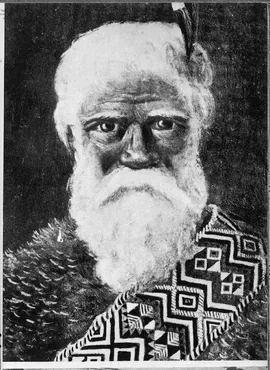 - Image of Te Kooti
My great grandmother was to be Ruakenana’s 13th wife but she got away. She was just a kid and he claimed her like any priest uses the bible to claim legitimacy in sexual acts for sate their selfish and unholy desires. She escaped that monster and that fucker cursed her to not bare any male children. I hope you can understand clearly that this is where my respect for him ends.
Because she didn’t want to marry Rua, he placed a curse on her to prune her of an entire lineage. Just a regular biblical prophet with a penis who felt scorned from rejection. Typical man. You must understand, we are from Mātaatua. Our first leader was a woman. Because of Wairaka, many of our tribes demand woman leaders. This is where our tribe differs from many other tribes in Aotearoa.
More got help in her exile. Members of our tribe protected her from her curse by not allowing her to touch or do anything that would be considered toil or labour. She was a healer. She was raised secretly in a forest and catered to by our strongest and most holy warriors - and they revered her as a holy being. Her name is:
More Tutarakauika 「もれ・つたらかういか」
More has two meanings:
- (verb) - to be toothless, plain, bare. E kore au e kaha ki te kai, he more (W 1971:209). / I (will not) able to eat because I’m toothless.
- (noun) extremity, headland, promontory. Ka kite atu a Tama-te-kapua ki te more o Maketū (W 1971:209). / Tama-te-kapua saw the Maketū headland.
Against Rua’s curse, and through the careful nurturing of her spirit in a secret forest in the sacred and spiritual land of the Urewera’s - she was carefully looked after, cared for and ritualistically prayed for in the old ways (not in the ways Rua imposed onto her). She was revered as a holy 1 being. When she became of age, she was able to bare a child. His name is:
Te wharau Kawana 「てふぁらう・かわな」
Te wharau is my grand father.
🌌 Te Kore, Te Pō, and the Birth of Light
In the beginning, there was Te Kore—the realm of potential being or the nothingness. From Te Kore came Te Pō, the long night, a period of gestation and deep darkness. From this came Te Ao Mārama, the world of light, the world we live in now.
The primal parents were Rangi Te Nui (the Sky Father) and Papatūānuku (the Earth Mother). They lay in a tight embrace, their children—divine beings—trapped in darkness between them.
The children grew frustrated with their confinement and debated what should be done. Eventually, Tāne Mahuta, god of forests and birds, pushed apart his parents, separating earth from sky, and allowing light into the world.
This act of separation brought conflict, as some of the siblings opposed it — Tūmatauenga, god of war, wanted to kill their parents, while others like Tāwhirimātea, god of winds and storms, were angry at being separated from Ranginui and rebelled. Tāwhirimātea still sends storms in protest.
🌳 Tāne Mahuta and the Creation of Humanity
After the world had form and light, Tāne began to shape the world:
He created the trees and birds, filling the forests.
Then he sought the female element to create humankind. He shaped Hineahuone (the first woman) from the red clay of Kurawaka, a sacred place.
He breathed life into her, and she lived.
Together, Tāne and Hineahuone gave birth to Hine-tītama, who later became Hine-nui-te-pō, the goddess of death, retreating to the underworld after learning Tāne was her father and husband.
🌿 Mātaatua
This is where lore and tale become deeply seeded into the very hearts of the people of my tribe. I come from a place called “[Hawaiki]” - the otherworld or origin. I think it’s an actual place and my spirit will go there when I die.
Ka hoki atu te wairua ki Hawaiki” – The spirit returns to Hawaiki.
Tāne’s role as creator is particularly significant, especially given the forested lands of Tūhoe (Te Urewera), where Tāne is deeply revered.
The Urewera region is considered Te Manawa o te Ika (the heart of the fish of Māui), with a spiritual connection to the land and its forests.
The concept of mana whenua (authority over the land) and whakapapa (genealogy) ties the people directly to Tāne and Papatūānuku.
Among Tūhoe, the land is not just physical—it is whakapapa, living and spiritual, and cannot be separated from the identity of the people.
🔥 Lessons from the Creation Story
For Mātaatua iwi, the story of creation is not just myth; it forms the foundation of:
Whakapapa (genealogy) – linking people to gods and land.
Tikanga (customs) – rooted in the sacred relationships established in creation.
Kaitiakitanga (guardianship) – the sacred duty to protect and respect the environment, as it is a living ancestor.
This is a stub and I’m tired. I’ll write more later.
If you wanna message me - follow me on instagram: aronikun.
Footnotes
-
The word “holy” is used quite losely here because it has connotations of a Christian based faith. The word is parallel though. ↩